Southern California does not have a real off-season, which is exactly why autumn maintenance gets skipped here. There is no frost deadline forcing the issue. What there is, though, is a change in rhythm: the boat goes from weekly use to occasional use, and everything summer left behind gets to sit undisturbed for months.
This is a walkthrough, not a winterisation guide. Work through it in an hour with a notepad and you will know what needs attention now versus what can wait.
Start with what the sun did
Four or five months of intense, near-vertical sun is the most aggressive thing most SoCal boats face all year. The damage is cumulative and easy to miss because it happens slowly.
- Check horizontal surfaces first — decks, cabin tops, and gunwales take the most UV.
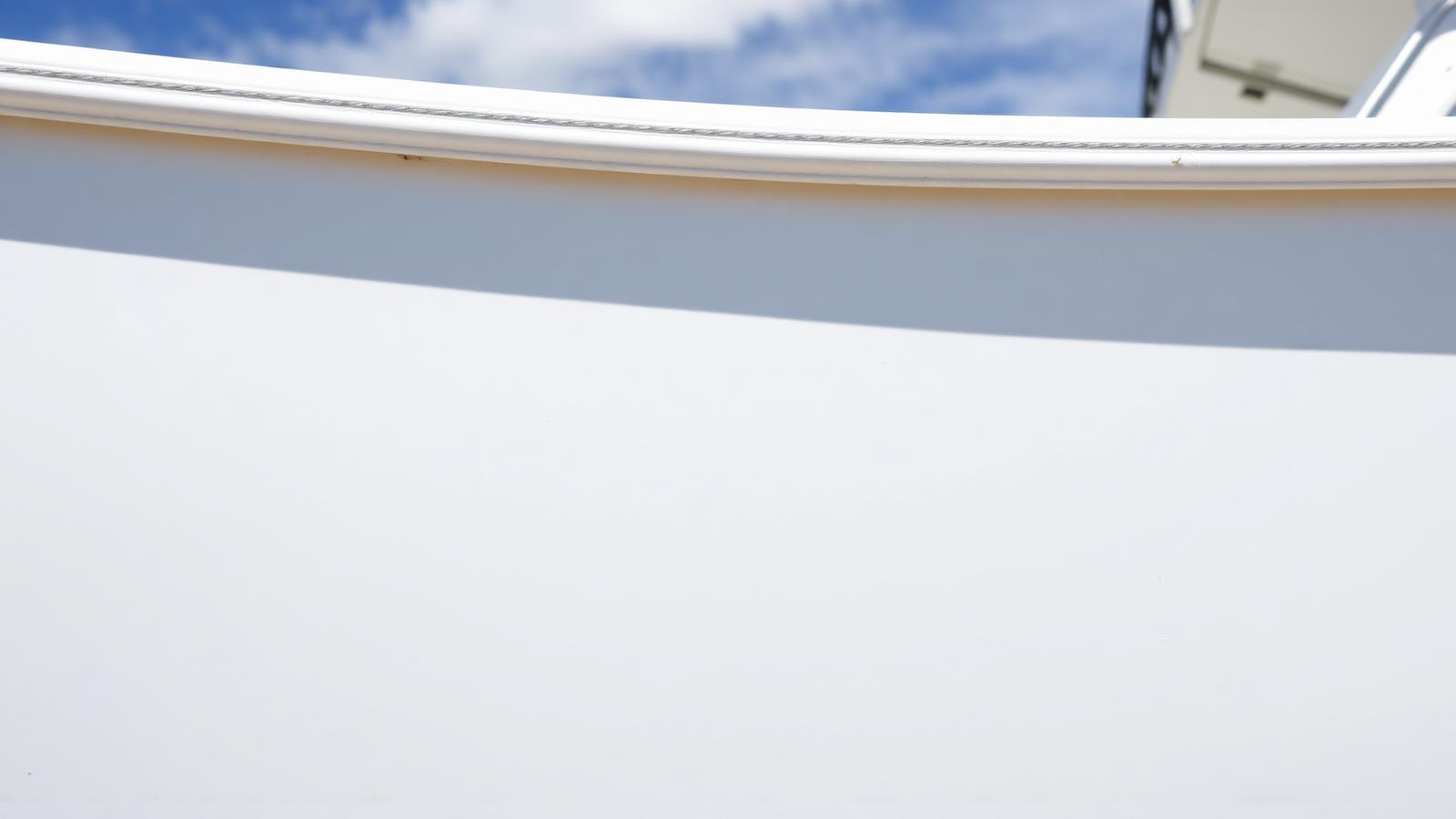
- Look for a chalky feel on hull sides; a dry hand across the gelcoat tells you more than your eyes do.
- Inspect dark hull stripes and graphics, which fade and dull faster than white gelcoat.
- Check vinyl and upholstery for stiffness, colour loss, and hardened seams.
- Look at plastics and clears — hatches, isinglass, and windshields haze under sustained UV.
Salt buildup in the places you do not rinse
Salt does not stay where you can see it. It concentrates in the areas that catch spray and never get direct hose attention.
- Around cleats, rails, and stanchion bases, where it sits against metal.
- In the tracks and channels of sliding doors and hatches.
- Under trim and rubrail edges, where it stays wet longest.
- On the underside of overhangs and inside the transom area.
Oxidation: catch it before it becomes a correction job
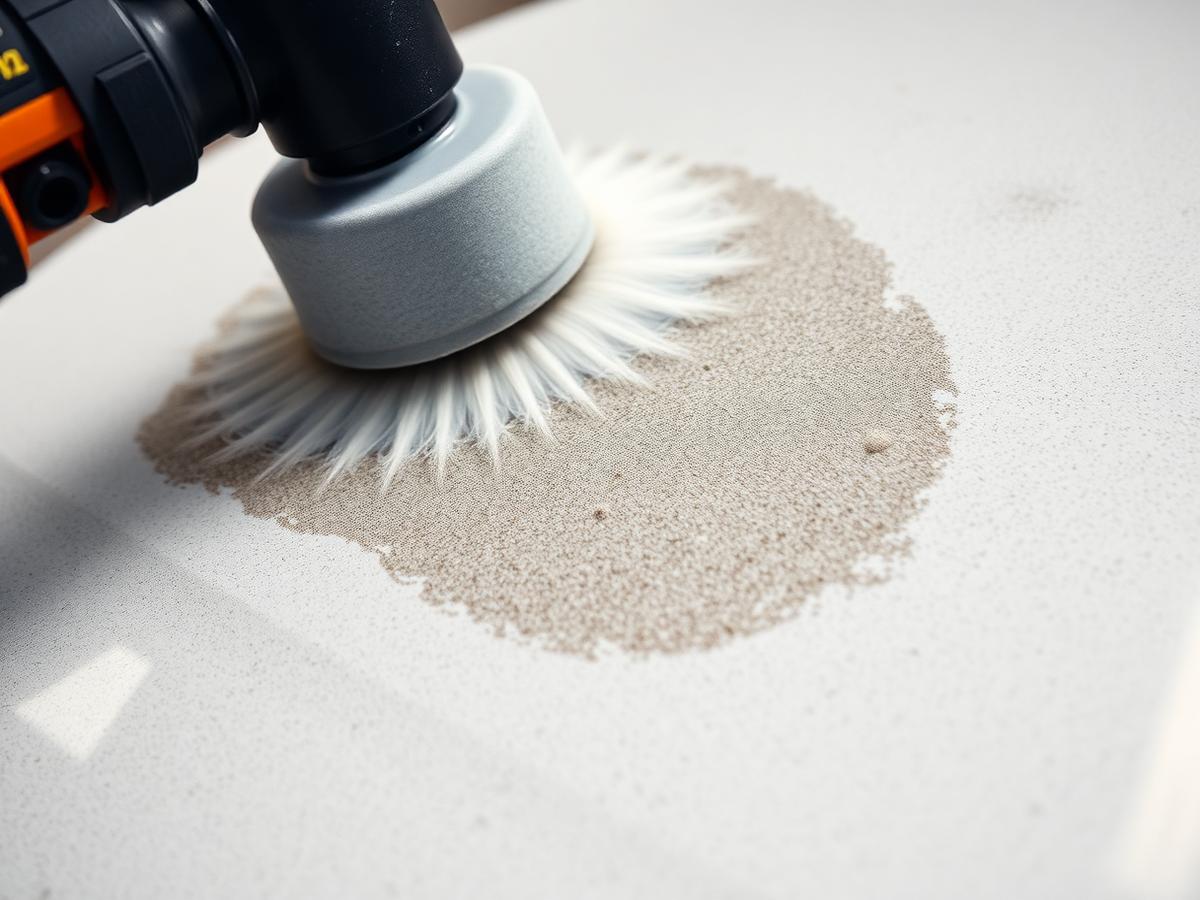
Oxidation is the slow breakdown of the gelcoat surface under UV. In its early stage it reads as a slight loss of depth and gloss. Later, it is visible chalk that transfers to a cloth. The gap between those two states is the difference between protection and correction — in effort and in cost.
- Wipe a clean dry cloth firmly across a hull side. Any white residue means oxidation has started.
- Compare a shaded panel with a sun-facing one; the difference shows how far it has progressed.
- Check whether water still beads. Loss of beading means the old protection is spent.
- Note which panels are worst — correction is often targeted rather than whole-boat.

Canvas, covers, and upholstery
Autumn mornings on the water are damp even when afternoons are warm. Canvas that dried out fast in July now stays wet into mid-morning, and that is when mildew gets its opening.
- Rinse salt out of canvas before putting it away — salt holds moisture in the fabric.
- Never fold or bag canvas damp; a wet cover in storage is a guaranteed mildew problem.
- Check zips, snaps, and stitching now, while a repair is still cheap.
- Lift and air cushions, and store them somewhere ventilated rather than sealed in a locker.
- Look under cushions and in corners where condensation gathers unseen.
Bilge, lockers, and closed compartments
A boat that is used weekly gets opened, aired, and inspected constantly. A boat that sits does not. Compartments are where autumn neglect turns into a spring surprise.
- Check the bilge for standing water, and for oily residue or a stale smell that suggests something is not draining.
- Empty lockers of anything damp — towels, life jackets, cleaning rags.
- Leave locker lids cracked open where security allows so air can move.
- Check drain paths on deck and in the cockpit for leaves and debris after the first winds.
If the boat is going into storage or a quieter slip
- Clean before storing, not after. Salt and grime left on surfaces for months do real damage.
- Cover only a dry, clean boat — a cover over a damp deck traps moisture rather than excluding it.
- Make sure the cover breathes and does not sit flat where water pools.
- Plan a mid-season check-in rather than leaving the boat untouched until spring.
When to schedule a maintenance wash
The usual autumn pattern is one thorough reset followed by a longer recurring interval. That keeps salt and marina fallout from accumulating without paying for a summer cadence during months of low use.

Related service
Complete Wash
The end-of-summer reset — full exterior and interior, and an honest read on condition.
Explore this service
Related service
Maintenance Wash
A lighter recurring visit to keep the boat from sliding backwards over a quiet season.
Explore this serviceWhat owners can do now
- Do the dry-cloth chalk test on three panels and note the result.
- Rinse the hardware areas you normally skip — cleat bases, rail feet, hatch tracks.
- Air out every locker and remove anything damp.
- Rinse and fully dry canvas before it goes into storage.
- Book the end-of-season wash before the boat starts sitting, not after.
When to call a professional
- The chalk test shows oxidation across most panels.
- Rust streaking has returned repeatedly in the same places.
- Interior surfaces smell musty or show early mildew spotting.
- You will not be able to check on the boat regularly through the quiet months.
Related location
Boat detailing in Marina del Rey
What autumn conditions typically look like in Marina del Rey.
See the local guideRelated location
Boat detailing in Long Beach
Local coverage and access notes for Long Beach.
See the local guideCommon questions
Do Southern California boats really need seasonal prep?
Not winterisation in the cold-climate sense — engines here rarely face freezing. What changes is usage. Boats sit longer, mornings get damp, and problems that summer use kept in check start to compound.
Is autumn a good time for a complete wash?
It is one of the best. A wash at the end of the busy season removes the salt and grime that would otherwise sit against surfaces for months, and it gives an honest baseline of what condition the boat is actually in.
Should I keep maintenance washes going through winter?
Most owners benefit from a longer interval rather than stopping entirely. Boats that go completely untouched for months are the ones that need a full reset in spring.
What is the single most overlooked autumn item?
Ventilation. Closed-up boats with damp lockers and cushions are where mildew starts, and it is much easier to prevent than to remove.
Where this fits in our work
Related services
Related locations
Last updated