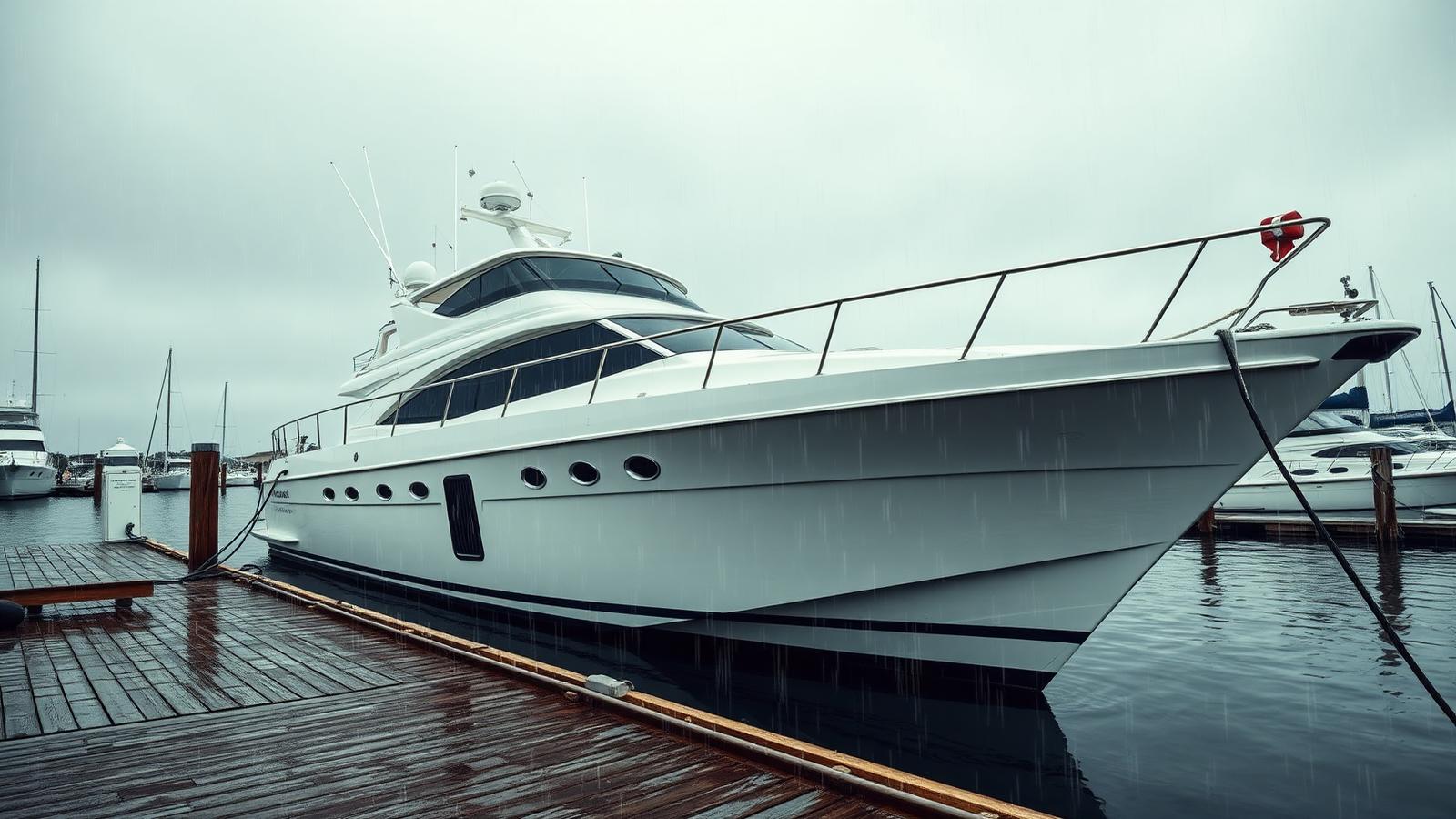
Santa Ana conditions reverse the normal airflow across the region. Instead of clean marine air moving inland, dry inland air moves out over the coast — and it carries what it picks up along the way.
The practical result for boat owners is a layer of fine, gritty dust on a boat that has not left the slip. During fire season, that layer can also include ash and soot.
In this guide
- What offshore wind actually deposits on a boat
- Why dry wiping is the most damaging thing you can do
- The correct removal sequence
- Interiors, canvas, and clears
- An owner checklist for wind events
- Common mistakes and when to call a professional
What actually lands on the boat
Three things arrive together during a wind event, and they behave differently.
| Deposit | Behaviour | Main risk |
|---|---|---|
| Mineral dust | Hard, angular particles | Scratching during removal |
| Soot | Fine, oily, clings to surfaces | Smearing and staining |
| Ash | Alkaline, gritty, reactive when wet | Marking on gelcoat, glass, and metal |
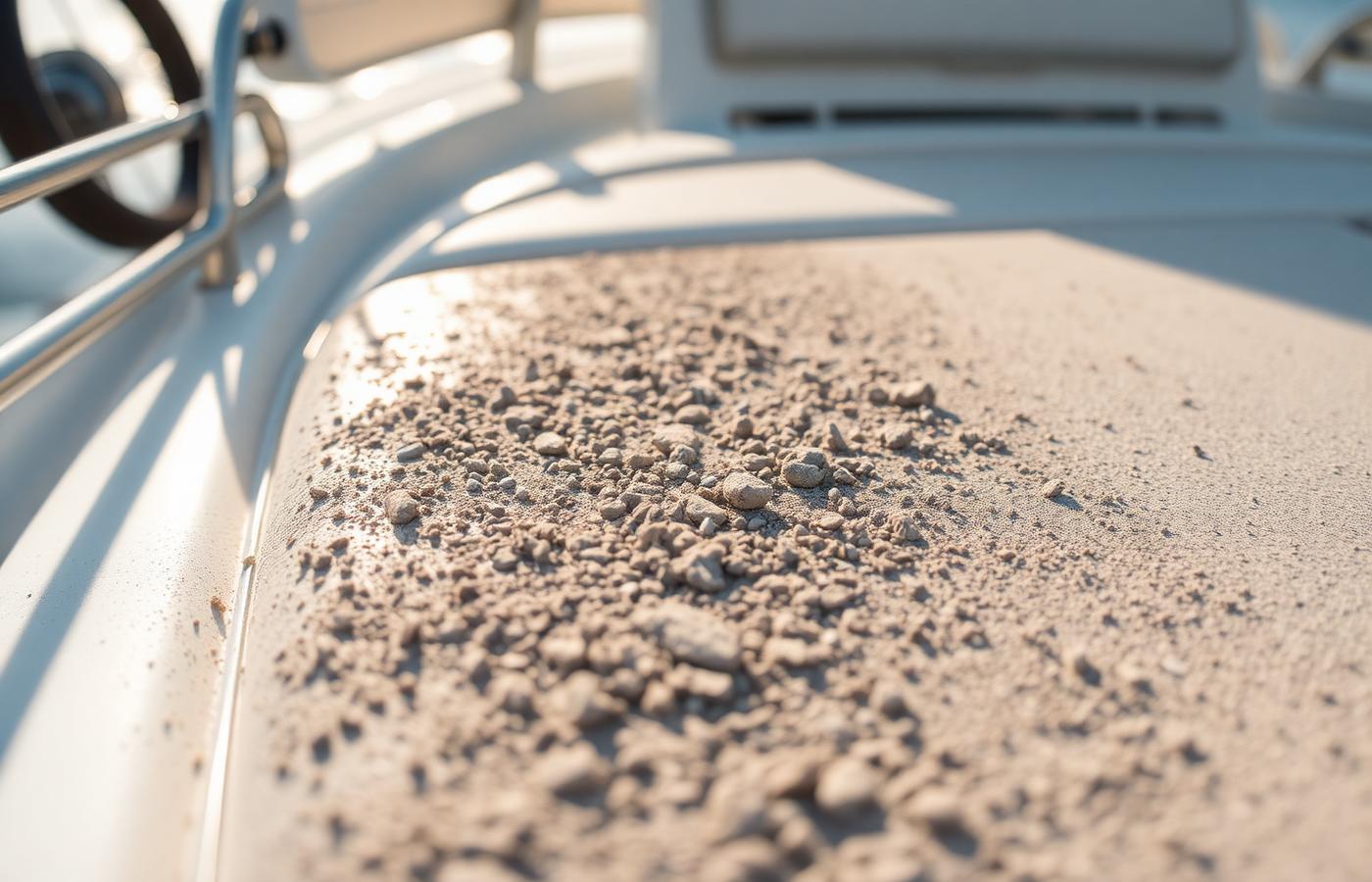
Boats in Ventura and Oxnard tend to see heavier inland dust loads because of how the canyons channel that air toward the coast. Malibu and the inland lakes near Westlake Village see it too, often with less marine moisture to soften it.
Why dry wiping is the wrong move
The instinct is understandable — the boat looks dusty, so you grab a towel. But that dust is composed of hard particles sitting on a relatively soft gelcoat surface.
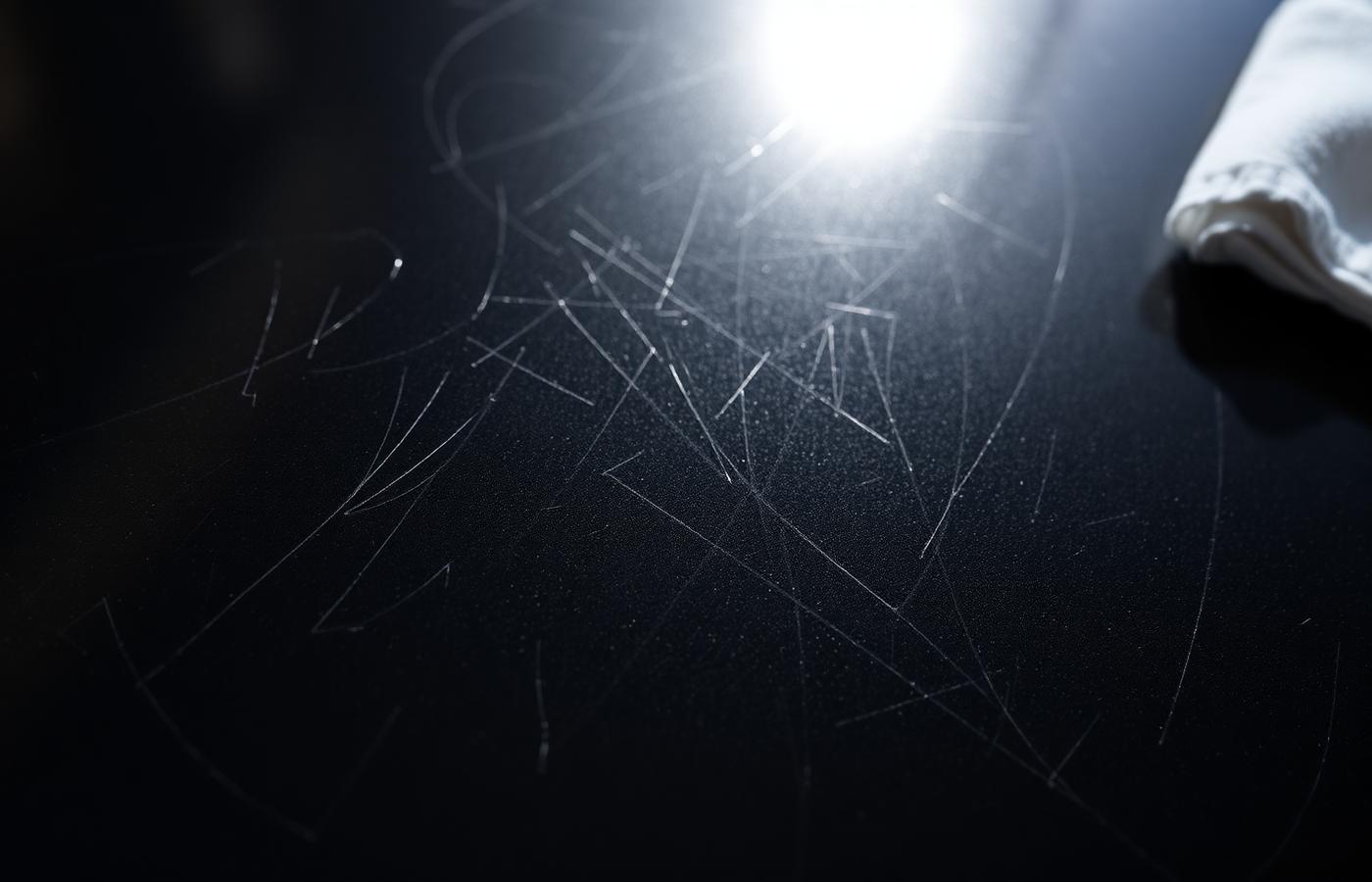
A dry cloth does not lift them off. It presses them into the surface and moves them sideways. The damage is not visible on a grey morning; it appears the first time the sun hits the topsides at an angle.
The correct removal sequence
1. Flood, do not spray
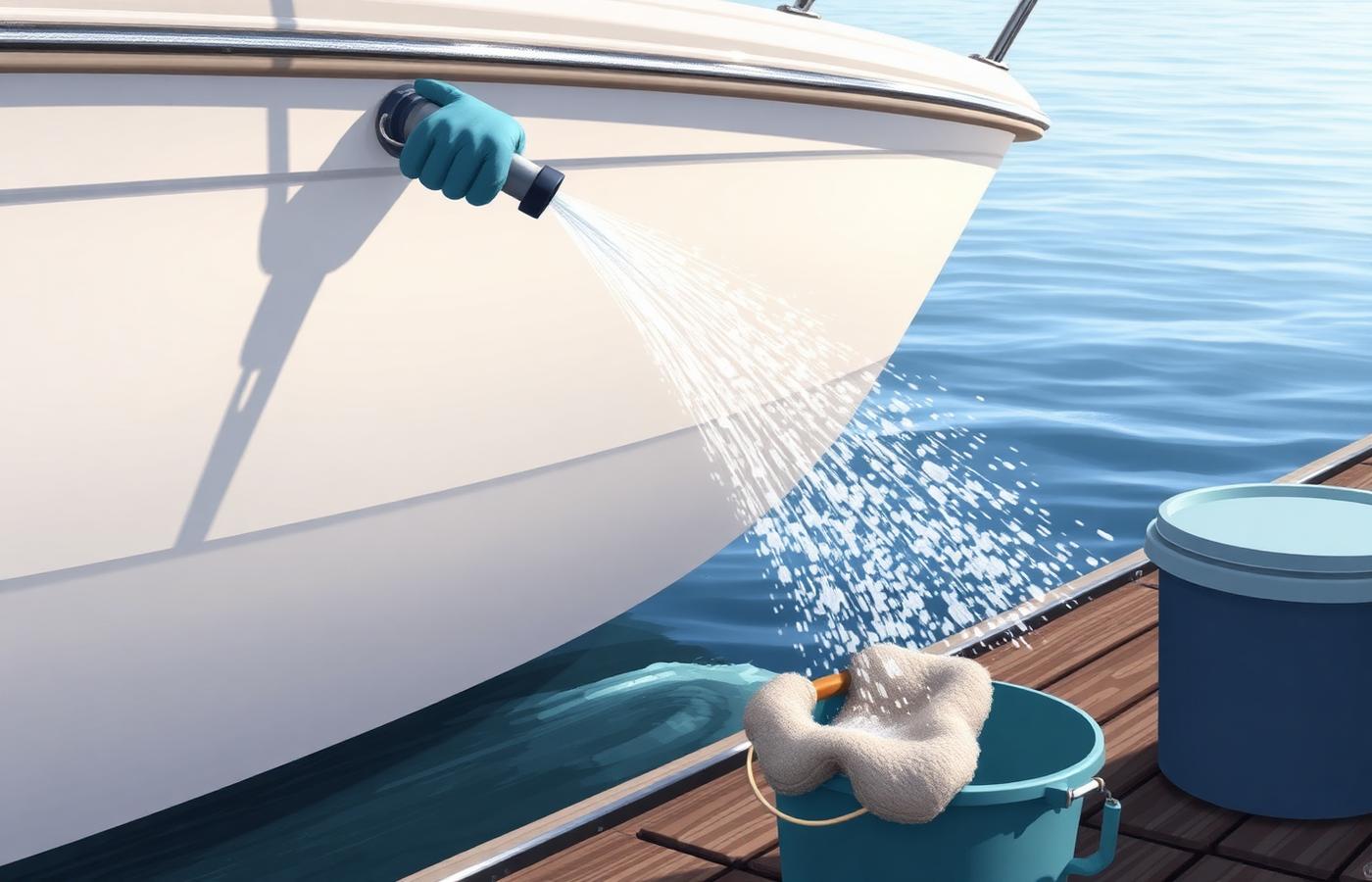
Use a high volume, low pressure stream and let the water sheet down the surface. You are floating particles off, not blasting them. High pressure at close range drives grit sideways and forces water past seals.
2. Two buckets, always
One bucket for soap, one for rinsing the mitt. Ash loads a mitt quickly, and a single bucket simply reapplies what you have just removed.
3. Work top-down and keep it wet
Dust settles heaviest on horizontal surfaces — hardtops, decks, and cockpit seating. Clean those first so the runoff does not recontaminate the topsides.
4. Clears and canvas last
Isinglass and clear vinyl are the softest surfaces on the boat and the least forgiving of grit. Flood them thoroughly, use a dedicated clean cloth, and never use a mitt that has been on the deck.
Interiors after a wind event
Fine dust travels through vents, hatch seals, and any opening left cracked. Owners often clean the exterior and then find a grey film on cabin surfaces a week later.
- Vacuum soft goods before wiping anything, so the dust is removed rather than pushed in.
- Wipe hard surfaces with a damp cloth, not a dry one.
- Check headliners and vent surrounds, where soot shows first.
- Run the blower and air the cabin once the outside air is clear.
Owner checklist for wind season
Common mistakes
- Dry dusting the boat because it "only needs a quick wipe".
- Leaving a loose cover on during high wind, where it abrades the surface it is meant to protect.
- Using a pressure washer close-range to save time on a heavy ash layer.
- Cleaning clears with the same mitt used on non-skid.
- Waiting until after the first damp morning, once ash has had moisture to react with.
- Polishing away marring repeatedly instead of fixing the wiping habit that caused it.
When to bring in a professional
Heavy ash events, boats that have sat through several wind cycles, and any surface already showing swirl marring are worth handing over. Correction work needs machine polishing and a read on how much gelcoat there is to work with.
Related service
Restoration & Protection
Correction and protection for marred or contaminated gelcoat.
Explore this serviceRelated location
Boat detailing in Ventura
Coverage and slip-side context for Ventura Harbor.
See the local guideGetting it handled
After a significant wind or ash event, a scheduled wash removes the layer safely before anyone is tempted to reach for a dry towel. Send a few photos and we will write an estimate based on what is actually on the boat.
Common questions
Is ash actually harmful to gelcoat?
Ash is gritty and alkaline. Sitting dry on a surface it is mostly a scratch risk. Combined with moisture — morning marine layer, dew, or a light rain — it becomes a reactive film that can leave marks on gelcoat, glass, and metal if left for extended periods.
Why is dry wiping such a problem?
Wind-carried dust and ash are hard particles. A dry cloth does not lift them; it drags them. On dark gelcoat and clears, that produces the fine swirl marring you see in direct sunlight, and correcting it requires machine polishing.
Should I cover the boat during a wind event?
A well-fitted cover helps if it is secured properly. A loose cover flapping on a dusty surface acts like sandpaper, so a poorly fitted cover during high wind can do more harm than leaving the boat open.
How soon should ash be removed?
Rinse as soon as the wind event has passed and conditions allow. The risk rises once moisture arrives, so the window between the ash landing and the first damp morning is the time that matters.
Do I need special products for ash removal?
Usually not. Volume of water, a clean mitt, and patience matter more than chemistry. What does help is a proper two-bucket approach so grit does not go back onto the boat.
Where this fits in our work
Related services
Last updated