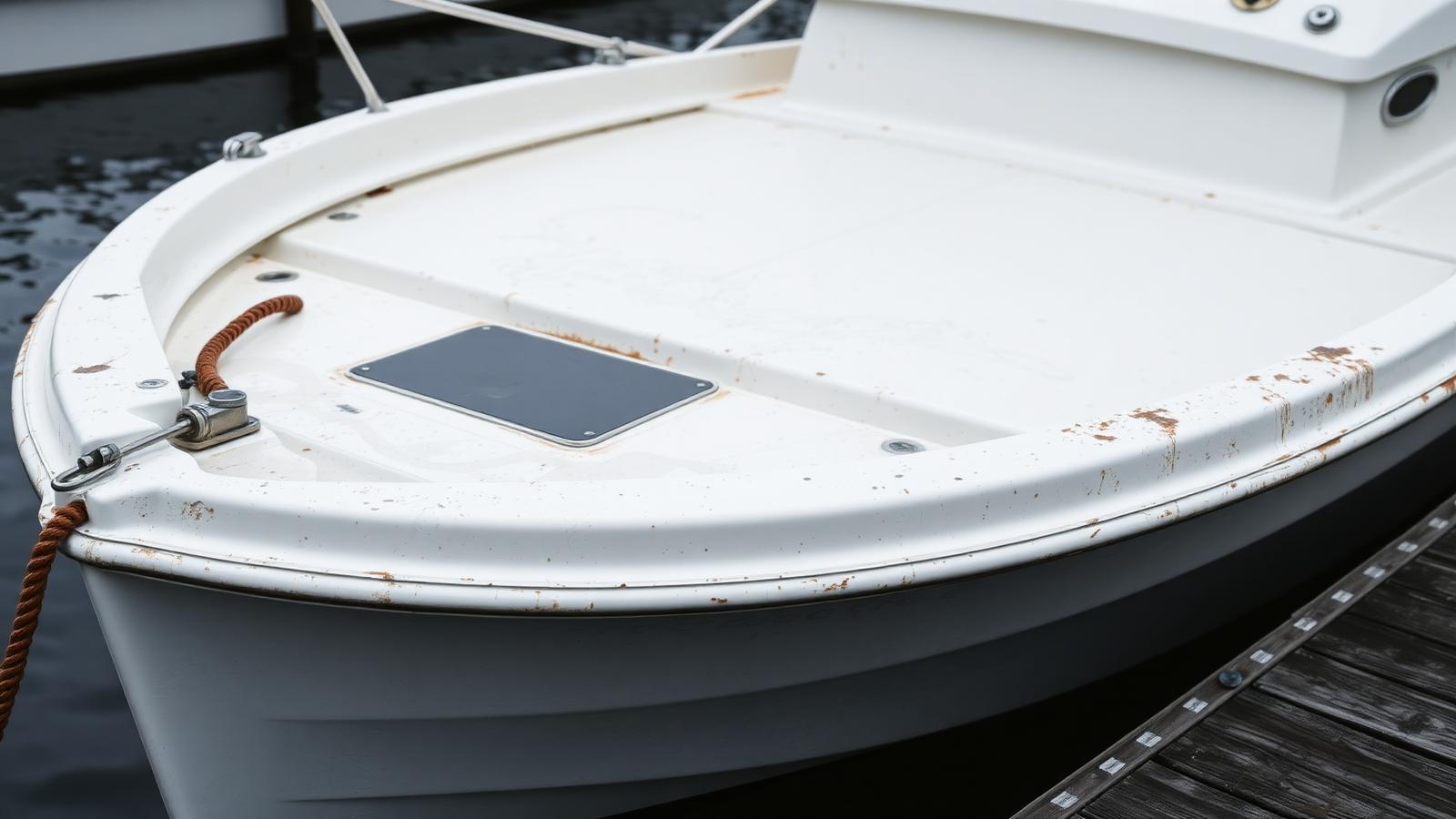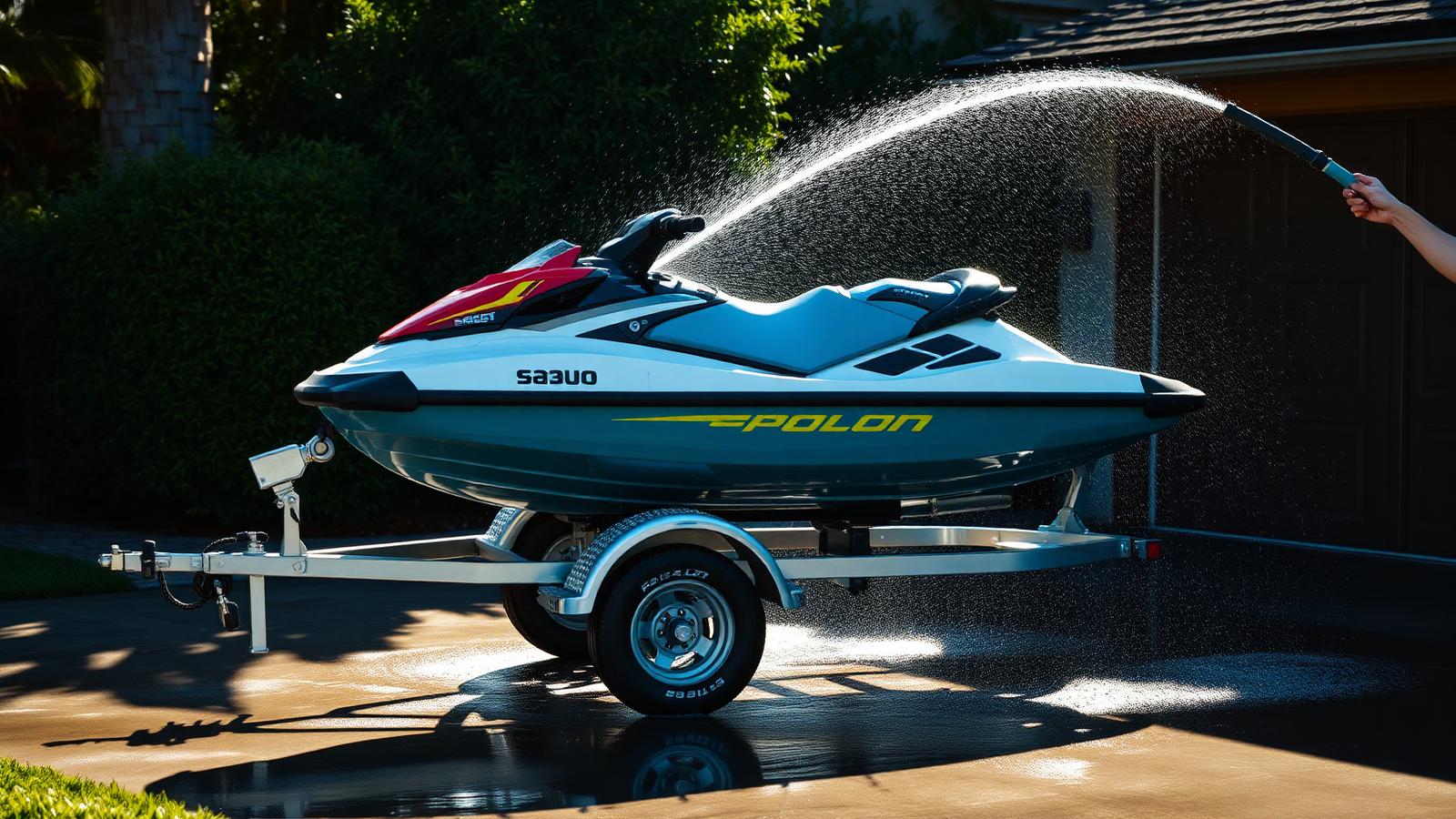
A personal watercraft takes more concentrated salt exposure than most boats its owner will ever own. It is small, it sits low, it is soaked constantly during the ride, and it is usually pulled straight out of the water and parked on a trailer in the sun. That combination — wet salt, warm surfaces, no rinse — is what turns a clean machine into a dull one over a single summer.
"Jet Ski" is the phrase almost everyone uses, but it is a brand name. Throughout this guide we mostly say personal watercraft or PWC, because the routine below applies to every make.
Why saltwater is harder on a PWC than on a boat
A boat in a slip stays wet along the waterline and dries slowly elsewhere. A PWC gets fully drenched, then dries fast and completely on the trailer. Every drop that evaporates leaves its salt behind — on hull sides, in the footwells, around vents and hatch lips, on trailer bunks, on the hitch, and inside the engine bay if water found its way there.
- Salt is hygroscopic — it pulls moisture from the air and keeps metal damp long after the craft looks dry.
- Aluminium trailer parts, steel fasteners, hose clamps, and springs are where corrosion shows first.
- Dried salt is mildly abrasive, so wiping a dry salted surface can leave fine marring.
- Sun plus salt residue accelerates gelcoat dulling on the areas that see the most light.
The post-ride rinse routine that actually matters
Most owners do some version of this already. The difference between an effective rinse and a token one is order and coverage — not time. Ten focused minutes beats a lazy half hour.
- Rinse top-down with fresh water while the craft is still wet, before salt has a chance to dry.
- Flood the footwells and let them drain, then flood them again — this is where sand and salt collect.
- Rinse the seat, handlebars, grips, and every hatch lip and seam where water pools.
- Rinse the trailer thoroughly, including the bunks, frame, hitch, and lights.
- Follow your manufacturer's manual for engine flushing — procedure and run time are model-specific.
- Dry with a clean microfiber or a leaf blower so mineral spots do not form as the water evaporates.
Engine bay and under-seat areas
The engine bay is where a small amount of neglect becomes an expensive habit. Water that gets in during a ride sits in a warm, enclosed, salty space with limited airflow. That is exactly the environment corrosion wants.
- Open the seat and let the compartment air out after every run — that alone prevents a lot of trouble.
- Sponge out standing water rather than leaving it to evaporate and concentrate its salt.
- Look for white crust or powder around fasteners, clamps, and brackets; that is salt, and it is a warning.
- Do not blast the engine bay with high-pressure water — you will drive salt and moisture into places it would not otherwise reach.
Seats, vinyl, and grips
PWC seats live the hardest life of any marine vinyl. They are sat on wet, in swimwear, in full sun, then left uncovered. Salt and sunscreen dry into the grain, the surface stiffens, and eventually the seams are where the failure shows.
- Rinse the seat with fresh water after every saltwater run; sunscreen and salt together stain quickly.
- Clean with a marine-safe vinyl cleaner, not household degreasers, which strip plasticisers and dry the material.
- Work seams and stitching gently with a soft brush rather than scrubbing the flat panels hard.
- Cover or garage the craft where possible — UV is the main reason seats crack long before they wear out.
Footwells, non-skid, and the areas that hide buildup
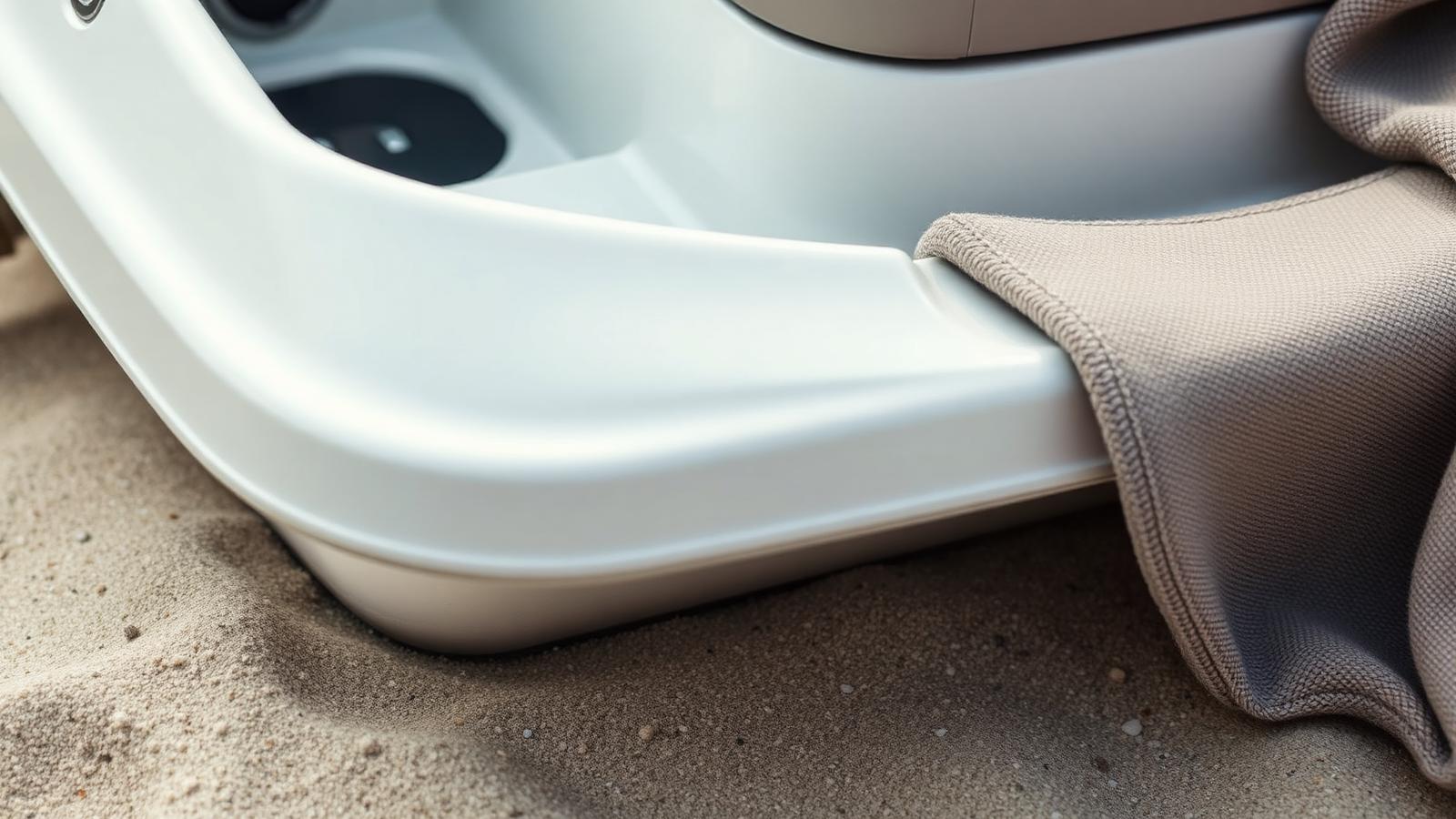
Footwell mats and textured non-skid trap sand, salt, and sunscreen in the texture. Rinsing runs straight over them without lifting anything out. That is why a craft that gets hosed after every ride can still develop a grey, tired footwell over a season.
- Agitate the texture with a soft brush and a mild marine cleaner, not just a hose.
- Rinse from the back of the footwell forward so debris flushes out rather than deeper in.
- Check drain paths — blocked drains hold salty water against the hull between rides.
- If the texture stays grey after cleaning, the soiling is embedded and needs a deeper decontamination step.
The trailer — the most neglected part of the setup
The trailer is the only part of the whole setup that gets fully submerged in salt water and then driven at speed, still wet, down the road. Owners rinse the craft and forget the thing holding it.
- Rinse the frame, bunks, rollers, springs, and hitch every time — especially after a ramp launch.
- Pay attention to the lights and wiring connectors, which corrode quietly then fail on a highway.
- Check bunk carpet for grit; embedded sand against the hull is a real scratch source.
- Look at the winch strap and safety chain for rust and fraying while you are there.
Water spots and why they keep coming back
Water spots are not dirt. They are mineral deposits left behind after water evaporates. On a PWC they concentrate on horizontal panels, dark graphics, and the glossy areas around the console.
- Fresh spots wipe off with a quick detail spray and microfiber.
- Repeated spotting builds a hazy film that regular washing no longer removes.
- Etched spotting — where minerals have bitten into the surface — needs machine polishing, not cleaning.
- Drying immediately after rinsing is the only reliable prevention.
What owners can do now
- Set a same-day rinse rule and keep a hose and a drying towel with the trailer, not in the garage.
- Open the seat after every run and let the compartment dry out.
- Flood and brush the footwells weekly during the season instead of monthly.
- Rinse the trailer every time the trailer touches salt water.
- Dry the craft after rinsing so minerals never get a chance to bake on.
- Keep the craft covered or shaded between uses to slow UV damage to seats and gelcoat.
When to call a professional
Cleaning is something most PWC owners can stay on top of. The point to hand it over is when the surface itself has changed and no amount of washing brings it back.
- Gelcoat has gone chalky or lost its gloss even right after a wash — that is a restoration job.
- Footwells or non-skid stay grey after brushing.
- Seats are stained or stiff rather than simply dirty.
- Water spotting has hazed the finish and no longer wipes away.
- You are preparing the craft for sale, long storage, or the end of a heavy season.
Related service
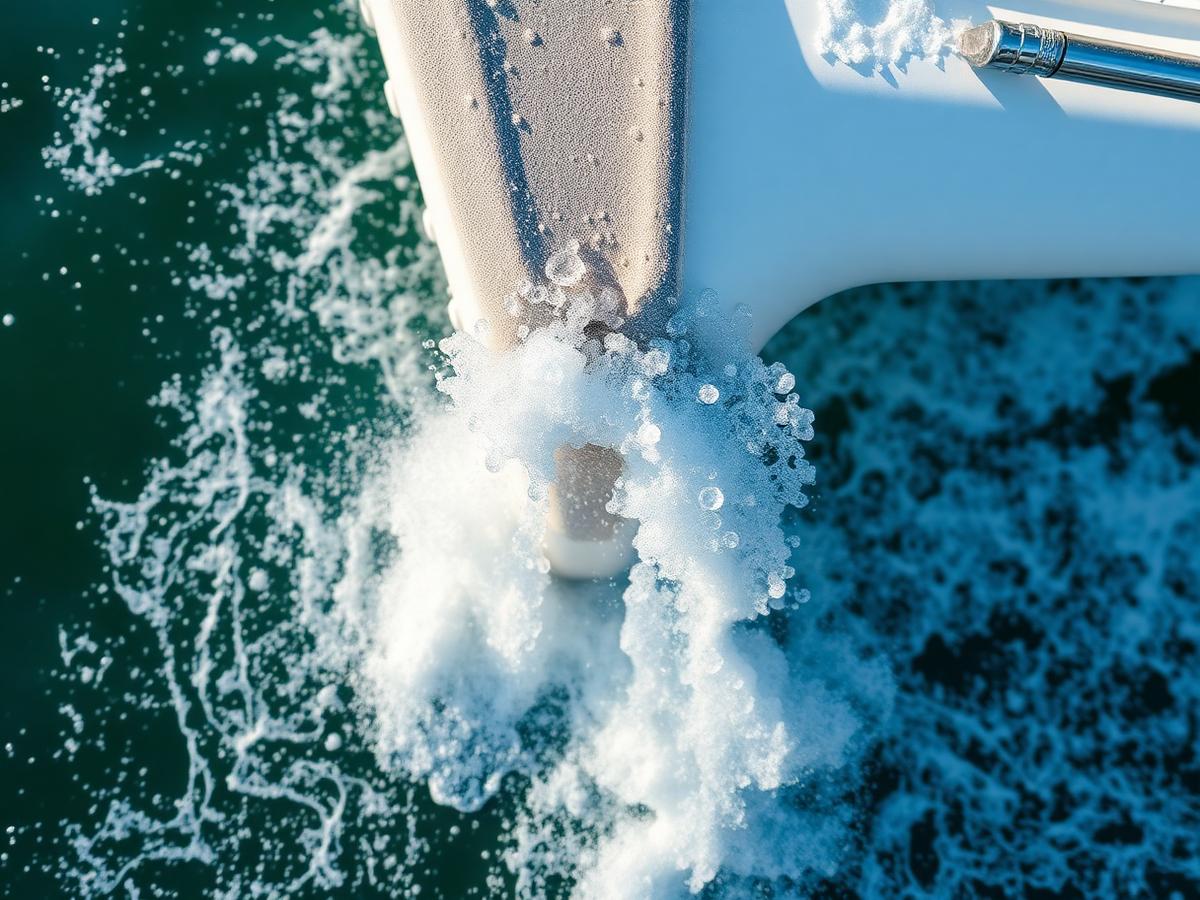
Complete Wash
A full interior and exterior reset — the right starting point for a craft that is dirty but sound.
Explore this service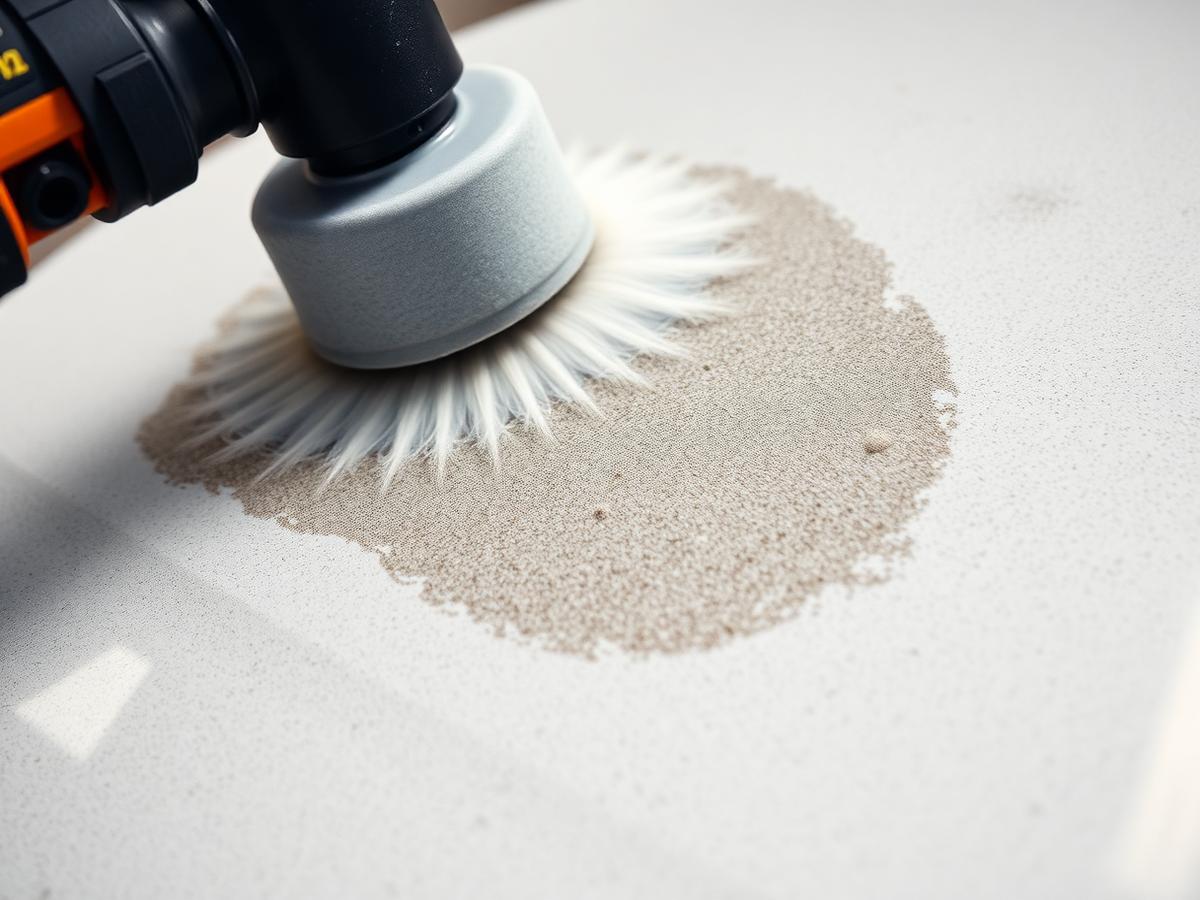
Related service
Restoration & Protection
For chalky gelcoat, etched water spotting, and finishes that cleaning alone no longer improves.
Explore this serviceWhere we work on personal watercraft
We work mobile across the greater Los Angeles area, including trailered craft at home and craft kept near the water. Access to water and power is usually straightforward at a residence and worth confirming at a marina.
Related location
Boat detailing in Marina del Rey
Coverage details and marina logistics for Marina del Rey.
See the local guideRelated location
Boat detailing in Huntington Harbour
Local context for Huntington Harbour, where a lot of PWC use is residential-dock based.
See the local guideIf you are not sure whether your craft needs a wash or correction, send photos of the hull side, footwell, and seat with your estimate request and we will tell you honestly which one it is.
Common questions
How soon after a saltwater ride should I rinse a PWC?
As soon as it is practical the same day. Salt is most easily removed while it is still wet. Once it dries and crystallises in seams, vents, and trailer hardware, it takes far more effort to remove and has had longer to sit against metal.
Is a pressure washer safe on a personal watercraft?
Low pressure at a distance is generally fine on hull surfaces. Close-range high pressure is where damage happens: forced water past seals, lifted graphics, and driven water into bearings and vents. If in doubt, a strong hose stream and a wash mitt do the same job with less risk.
Do I need to flush the engine after every saltwater ride?
Follow your manufacturer's manual — flush procedures and run times differ by engine and model, and the manual is the authority on your machine. Rinsing the exterior is universal; internal flushing is model-specific.
Can water spots be removed once they have baked on?
Light spotting usually cleans off. Mineral deposits that have etched into gelcoat or clear graphics may need machine correction rather than washing, which is a restoration workflow rather than a wash.
Is professional detailing worth it for a PWC?
It is worth it when the surface has moved past cleaning — dulled gelcoat, stained seats, footwell buildup that no longer lifts — or when the craft is being sold, stored, or handed back after a season of heavy use.
Where this fits in our work
Related services
Related locations
Last updated