The line between "needs a wash" and "needs restoration" is often the difference between dirt sitting on the surface and the surface itself being damaged. Cleaning removes what's on top. Restoration corrects the surface underneath.
Signs a wash is enough
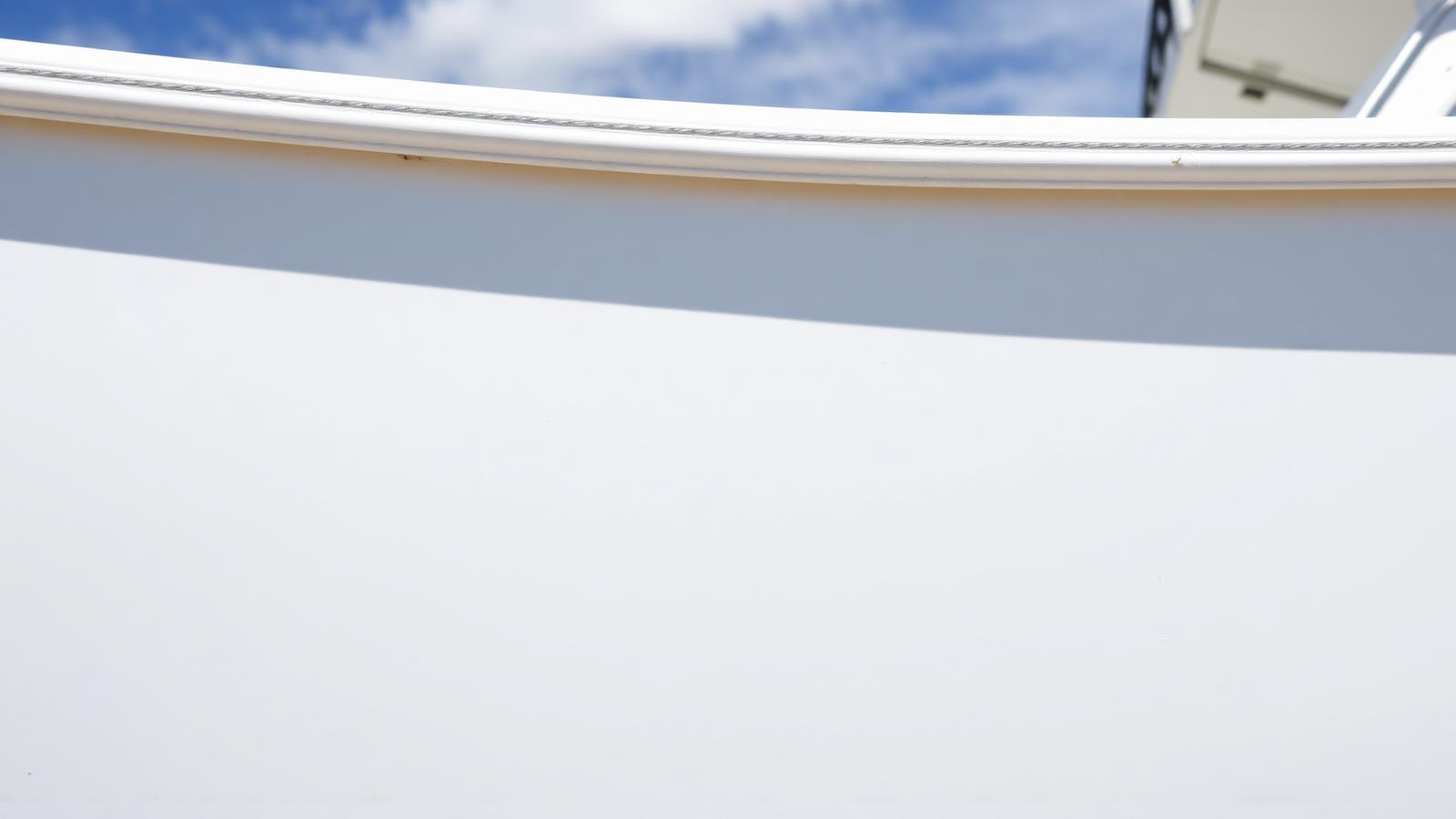
- The hull sides still shine where they're clean.
- Waterline marks lift with normal cleaning.
- Interior looks tired but surfaces are intact.
- There's no chalky residue on a dry cloth.
Signs restoration is needed
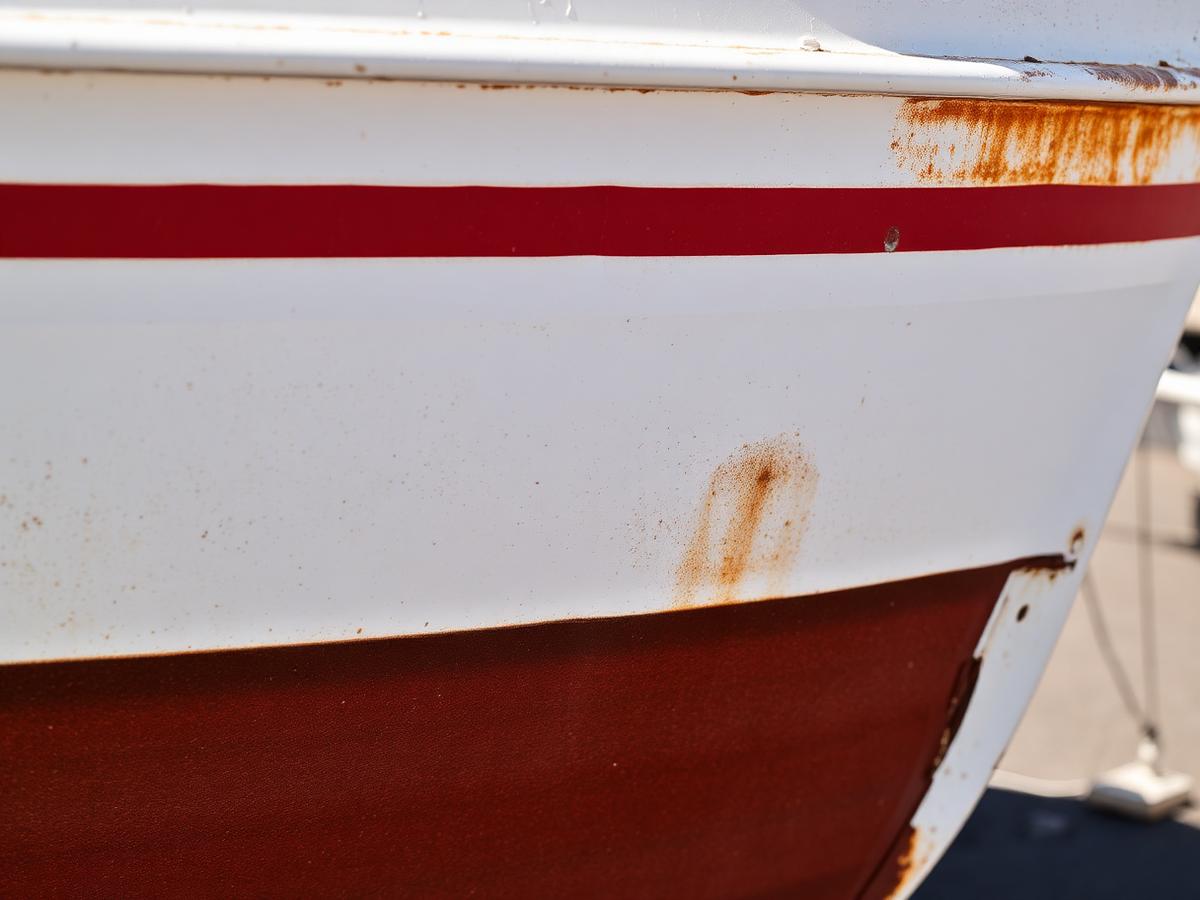
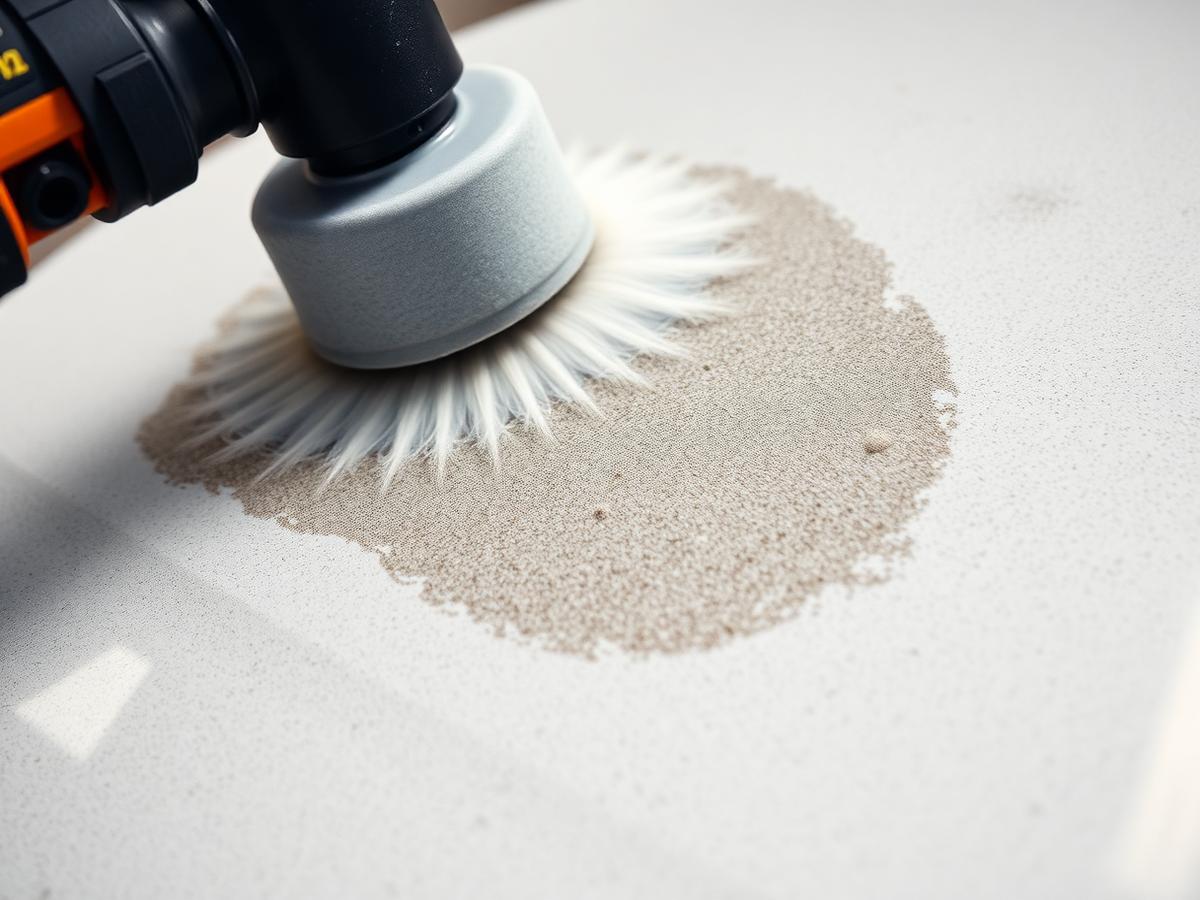
- A dry cloth or fingertip comes back chalky white.
- Gelcoat looks dull even after cleaning.
- Fine oxidation "clouds" the color, especially on dark hulls.
- Waterline staining doesn't lift with cleaning.
- The boat used to shine and no longer does.
Before
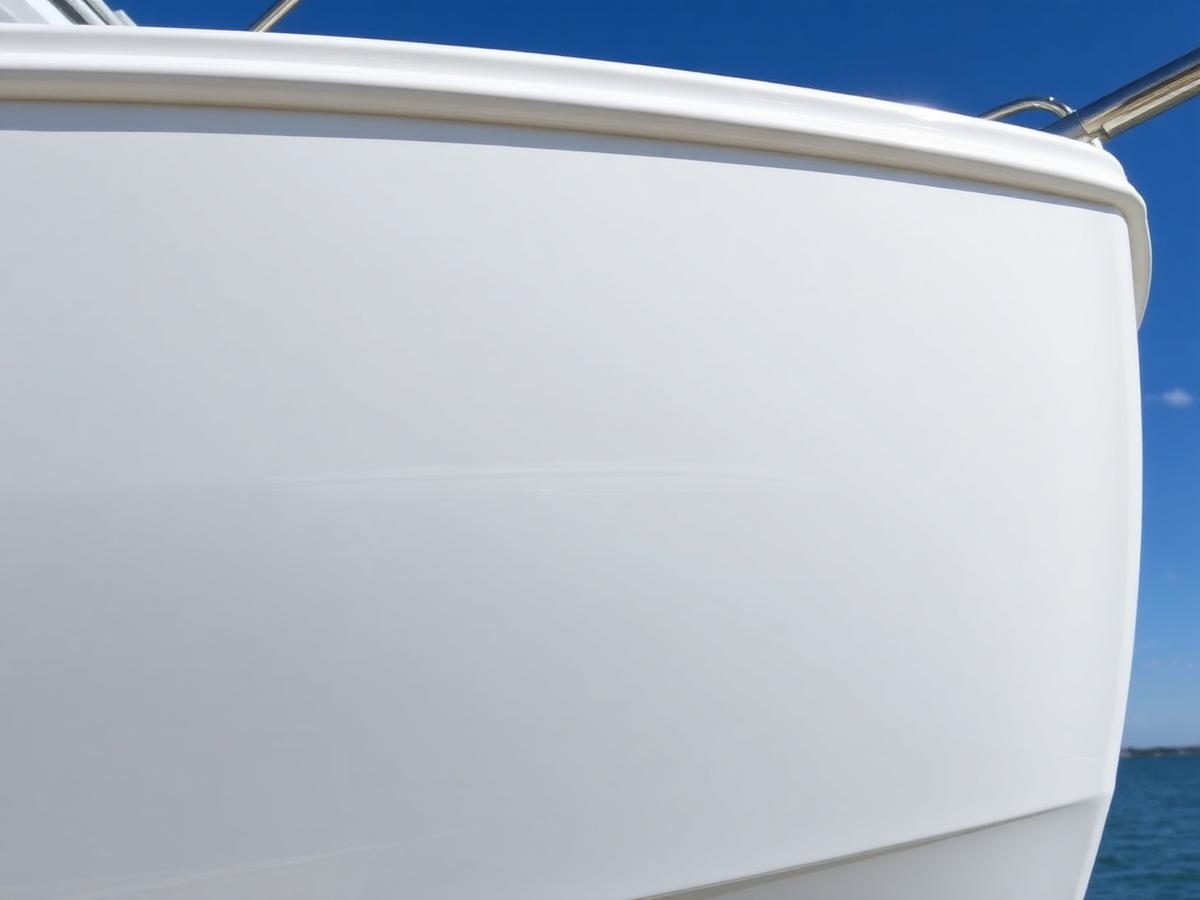
After
Related service
Restoration & Protection
Correction levels, protection, and pricing factors.
Explore this serviceThe mixed case
Many boats need both: a clean baseline first, then targeted correction on the surfaces that will benefit. We usually recommend starting with a complete wash so we can accurately assess what's underneath — cleaning alone often reveals the surface is in better shape than it looked.
Common questions
Can every oxidized boat be fully restored?
Not always. Gelcoat has a finite thickness and severely thin or damaged panels may not tolerate heavy correction. We assess this on-site before committing to a level.
Where this fits in our work
Related services
Last updated